When blood vessels narrow or become blocked, it takes longer for blood to reach the extremities. If this happens frequently, the body is signaling that something is wrong with the cardiovascular system.
3. Difficulty breathing or sudden snoring
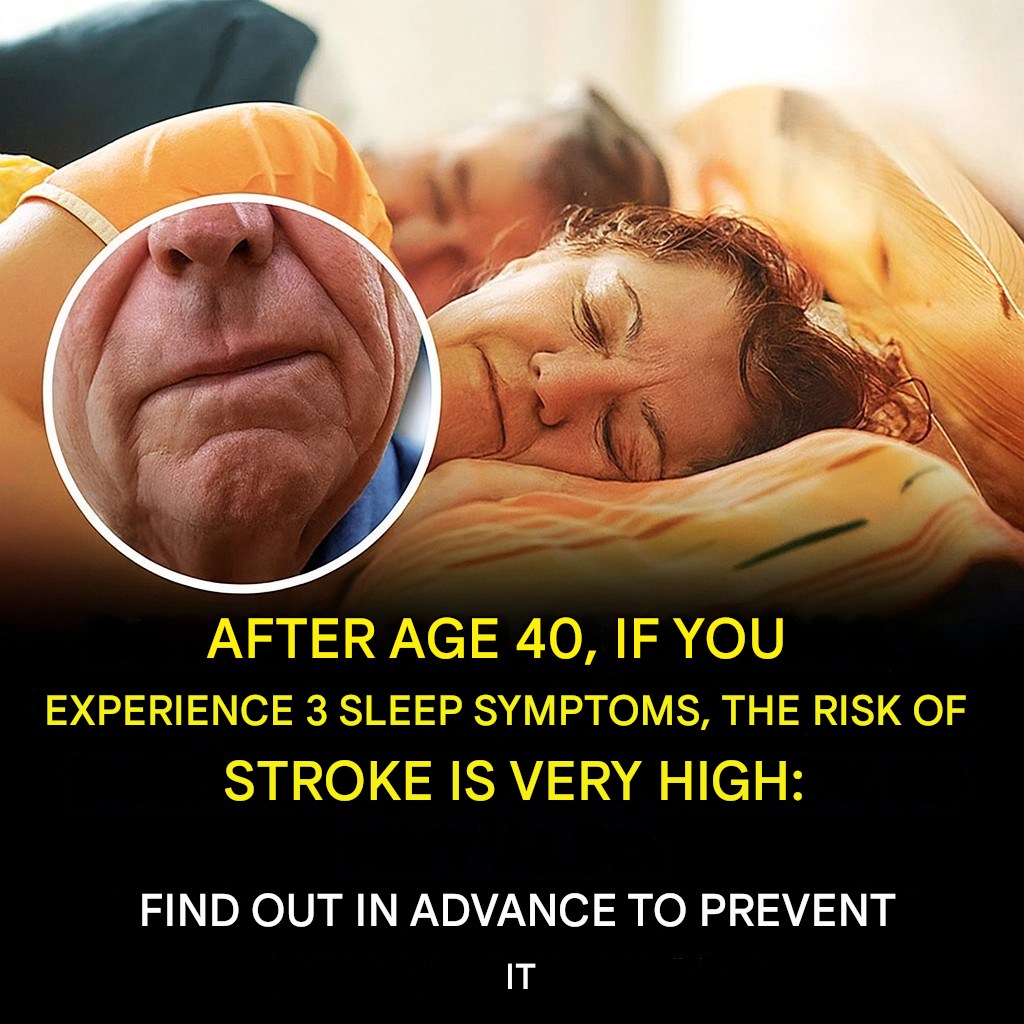
Although many people associate it only with being overweight or tired, loud snoring and shortness of breath during sleep can be symptoms of sleep apnea, a disorder that disrupts the flow of oxygen to the brain. This condition is directly linked to an increased risk of stroke and heart disease.
Why it happens:
During apnea episodes, breathing stops momentarily, which decreases blood oxygenation and forces the heart to work harder. Over time, this overload can damage blood vessels.
When should we worry?
You should pay special attention if these symptoms occur frequently or are accompanied by other signs such as dizziness, blurred vision, swelling in the legs or feet, difficulty concentrating, or a feeling of heaviness in the body. These can be early signs of a circulatory disorder or even a risk of stroke.
There’s no need to be alarmed by an isolated incident, but if it occurs several times a week, it’s important to consult a general practitioner or cardiologist for circulatory, blood pressure, and cholesterol level tests. Detecting circulatory problems early can prevent serious complications.