Feeling shortness of breath when climbing a few steps, walking short distances, or even at rest is a critical sign.
When the heart can’t pump properly, the lungs don’t get enough oxygenated blood, causing a choking sensation, chest pressure, or heavy breathing.
3. Chest pain or pressure
Although many people believe that chest pain appears only during a heart attack, it can actually start days earlier.
It may feel like pressure, burning, heaviness, or a feeling that something is squeezing the center of the chest. Sometimes the pain goes away and comes back, making it easy to ignore.
4. Discomfort in the arm, back, or jaw
Heart pain is not always localized to the chest. It can radiate to the left arm, both arms, back, neck, or jaw.
Many people think it’s a muscle or cervical problem, when it’s actually a sign that the heart is suffering.
5. Cold sweat and dizziness
Sudden sweating for no apparent reason, especially accompanied by dizziness or feeling faint, is a serious warning.
This happens because the body goes into a state of alarm when the heart doesn’t get enough oxygen.
6. Nausea, heartburn or abdominal pain
Before a heart attack, many people feel an upset stomach, nausea, or a feeling similar to indigestion.
For this reason, this symptom is often confused with digestive problems, delaying the search for medical help.
7. Anxiety or a sense of impending doom
An intense feeling of distress, nervousness, or an inexplicable feeling that something bad is going to happen is a common sign before a heart attack.
It’s not a panic attack. It is a reaction of the body to the real danger that the heart is facing.
What to do if you notice these symptoms?
If one or more of these symptoms appear without a clear cause and last more than a few minutes, don’t ignore them.
Seeking medical attention right away can save your life. An electrocardiogram, blood tests, and heart studies can detect a problem before irreversible damage occurs.
A warning that can save lives
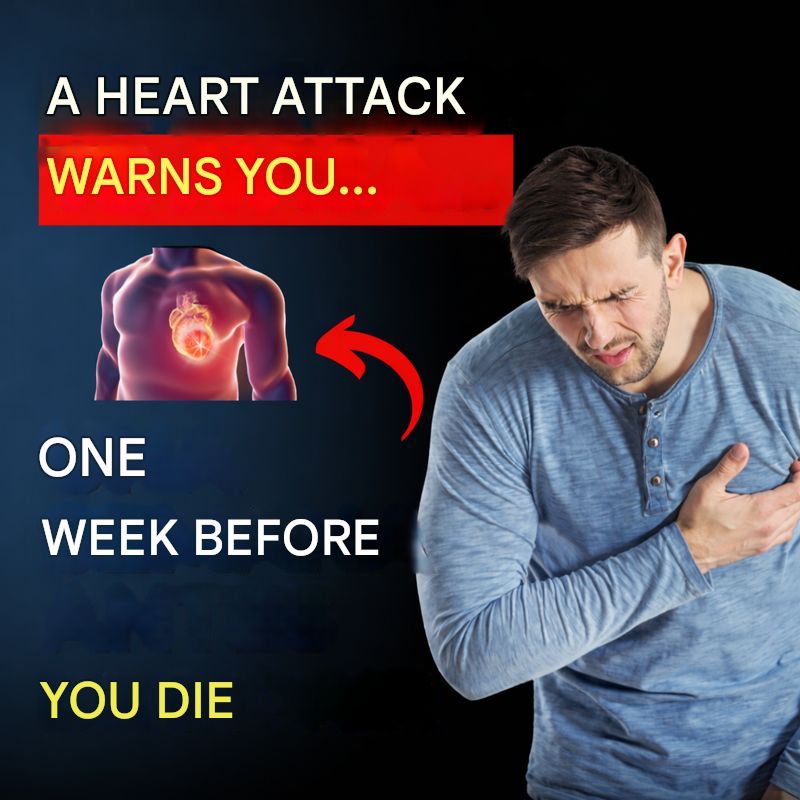
Most heart attacks don’t happen out of nowhere. The body warns. The tragedy is that many people don’t know how to interpret those signals.
Paying attention to these symptoms and acting in time can make the difference between a controllable emergency and an irreparable loss.
If you know someone with risk factors such as hypertension, diabetes, high cholesterol, smoking, or a family history, please share this information. You could be saving a life.