Give the bottle a gentle shake to combine the ingredients, and your mildew-fighting solution is ready to use. The beauty of this step is its simplicity; there's no need for precise measuring or complex mixing.
6. Step 2: Spray And Walk Away—Let The Formula Do The Work
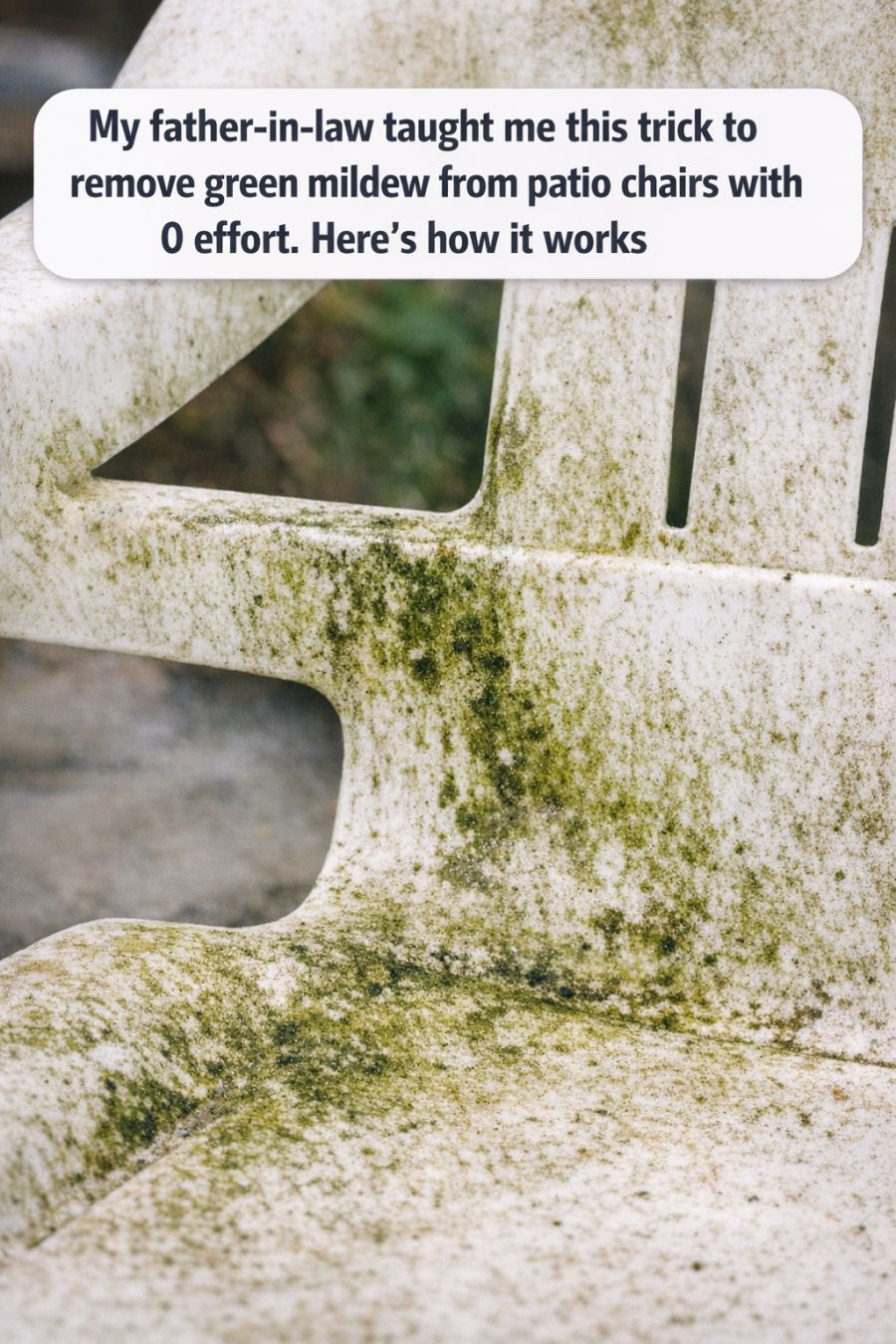
With the solution ready, liberally spray it onto the affected areas of your patio chairs. Make sure to cover all the mildew patches, as well as any crevices where spores might be hiding. The vinegar and baking soda will start working immediately to break down the mildew.
Once you've applied the solution, walk away and let it sit for at least 30 minutes. This is the zero-effort part—there's no need to scrub, wipe, or rinse at this stage. The solution does all the heavy lifting, allowing you to enjoy the rest of your day.
7. Step 3: A Quick Rinse To Reveal Like-New Chairs
After letting the solution sit, it's time to rinse off the chairs. Use a garden hose to spray down the furniture, ensuring you remove all traces of the vinegar and baking soda mixture. The mildew should wash away easily, revealing clean, fresh surfaces underneath.
If any stubborn spots remain, you can repeat the process or lightly brush them with a soft-bristled brush. However, in most cases, a single application is enough to restore your chairs to their former glory.
8. How This Trick Actually Works On Mold, Mildew, And Grime
The magic behind this method lies in the natural cleaning properties of vinegar and baking soda. Vinegar is acidic, which helps to break down mildew and kill mold spores. Baking soda, on the other hand, acts as a mild abrasive, helping to lift and remove the mildew without scratching surfaces.
When combined, these ingredients create a powerful cleaning solution that not only tackles mildew but also removes dirt and grime. The fizzing action of the mixture helps to penetrate tough stains, making it effective against various types of buildup on outdoor furniture.
9. Safety Tips: What To Know Before You Start Spraying
While this method is safe for most outdoor furniture, it's always a good idea to test the solution on a small, inconspicuous area first. This ensures that the ingredients won't cause any discoloration or damage to your specific furniture material.
Additionally, wear gloves to protect your skin from irritation, and avoid inhaling the vinegar fumes by spraying in a well-ventilated area. If you're sensitive to strong odors, consider wearing a mask or allowing the furniture to air out before using it again.
10. Will It Damage My Chairs? Materials This Hack Works Best On
This cleaning trick works best on plastic, resin, and metal outdoor furniture. These materials are durable and can withstand the acidic nature of vinegar without any adverse effects. However, it's essential to avoid using this solution on wood or delicate surfaces, as vinegar can potentially damage or strip these materials.
For wooden furniture, consider using a specialized wood cleaner or a milder solution to prevent any unwanted damage. Always check the manufacturer’s care instructions if you're uncertain about the best cleaning method for your furniture.
11. How Often To Repeat The Trick To Keep Mildew From Coming Back
To maintain mildew-free patio chairs, it's advisable to repeat this cleaning process every few months, especially during humid seasons when mildew growth is more prevalent. Regular cleaning not only keeps your furniture looking great but also prevents mildew from establishing a foothold.
For added protection, consider storing your chairs in a dry, covered area when not in use. This reduces their exposure to moisture and prolongs the time between cleanings, making outdoor maintenance even more manageable.