Why is it so important not to flush the toilet after every trip to the toilet to urinate?


The numbers associated with this habit are equally eye-opening. A standard, older-model toilet can consume up to nine liters of water in a single cycle, while even modern “low-flow” versions use about three to six liters. When you multiply those few liters by the number of people in a household, and then by the three hundred and sixty-five days in a year, the volume becomes astronomical. A typical family of four can inadvertently flush tens of thousands of liters of treated water down the drain annually. In regions currently facing “water stress” or prolonged droughts, this isn’t just a waste of a resource; it’s a waste of the energy and carbon required to process and transport that water in the first place.
Part III: The Philosophy of the “Mindful Flush”
In response to these staggering figures, a growing number of environmentally conscious households are adopting what is often called a “flexible flushing” policy. This isn’t a call to return to primitive or unsanitary conditions; rather, it is a thoughtful adjustment of social norms. The philosophy is simple: for liquid waste in a private home setting, flushing is not always an immediate requirement. By choosing to flush less frequently during the day, a household can cut its indoor water footprint by a significant percentage almost overnight.
However, this practice requires a foundation of communication and common sense. It is an approach best suited for private residences where all occupants are on the same page regarding the balance between conservation and comfort. To maintain a truly hygienic environment, the focus shifts to better ventilation and more frequent, focused cleaning of the porcelain itself. Routine maintenance ensures that odors do not linger and that the fixture remains a sanitary part of the home. It is about moving away from an “all-or-nothing” mentality and toward a “when-it-matters” approach, treating each flush as a deliberate choice rather than a reflex.
Part IV: Innovations and the Path Toward Sustainability
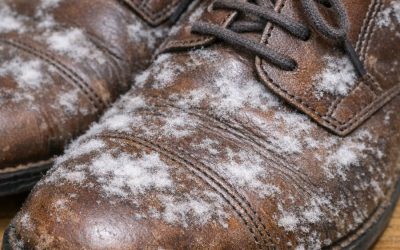
I pulled out shoes I haven’t worn all winter and found white fuzzy patches growing on the leather. What is this?

Quick tip to defrost your car window in seconds

HEALTHIEST FRUIT on Earth: What Happens to Your Body If You Eat Just 3 a Day
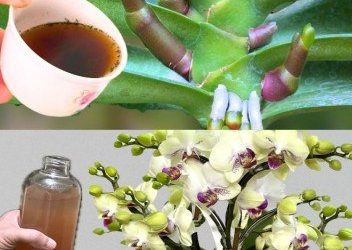
A very leafy orchid, if you water it with this, it will be 10 times more beautiful

Mix Bananas, Honey and Water: Cough and Bronchitis Will Disappear