Why is it so important not to flush the toilet after every trip to the toilet to urinate?

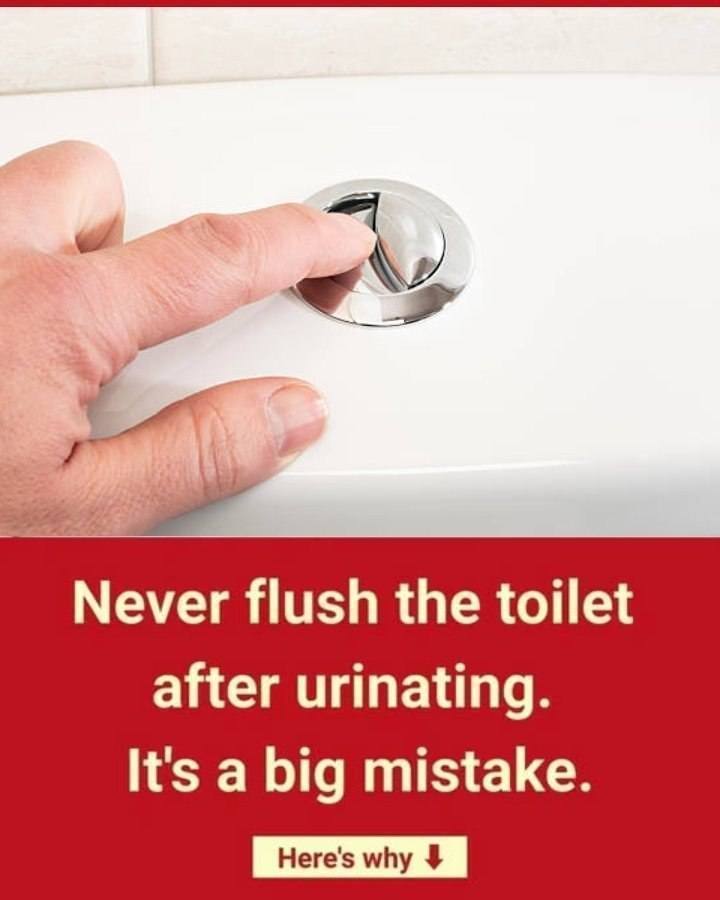
For those who find the idea of altered flushing habits uncomfortable, the path toward sustainability lies in technology and infrastructure. The rise of the dual-flush toilet is perhaps the most significant innovation in this field, allowing the user to select a “half-flush” for liquids and a “full-flush” only when absolutely necessary. This simple mechanical choice removes the social awkwardness of alternative habits while still achieving a significant reduction in water consumption. Furthermore, new developments in “greywater” systems—where water from sinks or showers is repurposed to fill toilet tanks—offer a glimpse into a future where no drinking water is ever wasted on a flush.
Ultimately, the conversation around water conservation is a testament to our ability to evolve. Whether it is through adopting the “mindful flush” in our private lives or investing in high-efficiency hardware, the goal remains the same: to value the resources that sustain us. In shared spaces, offices, and public restrooms, traditional etiquette remains the gold standard to ensure everyone’s comfort. But in the quiet of our own homes, we have the opportunity to lead by example. By staying informed and making intentional choices, we can maintain the high standards of hygiene we value while ensuring that the water we save today is available for the generations of tomorrow.