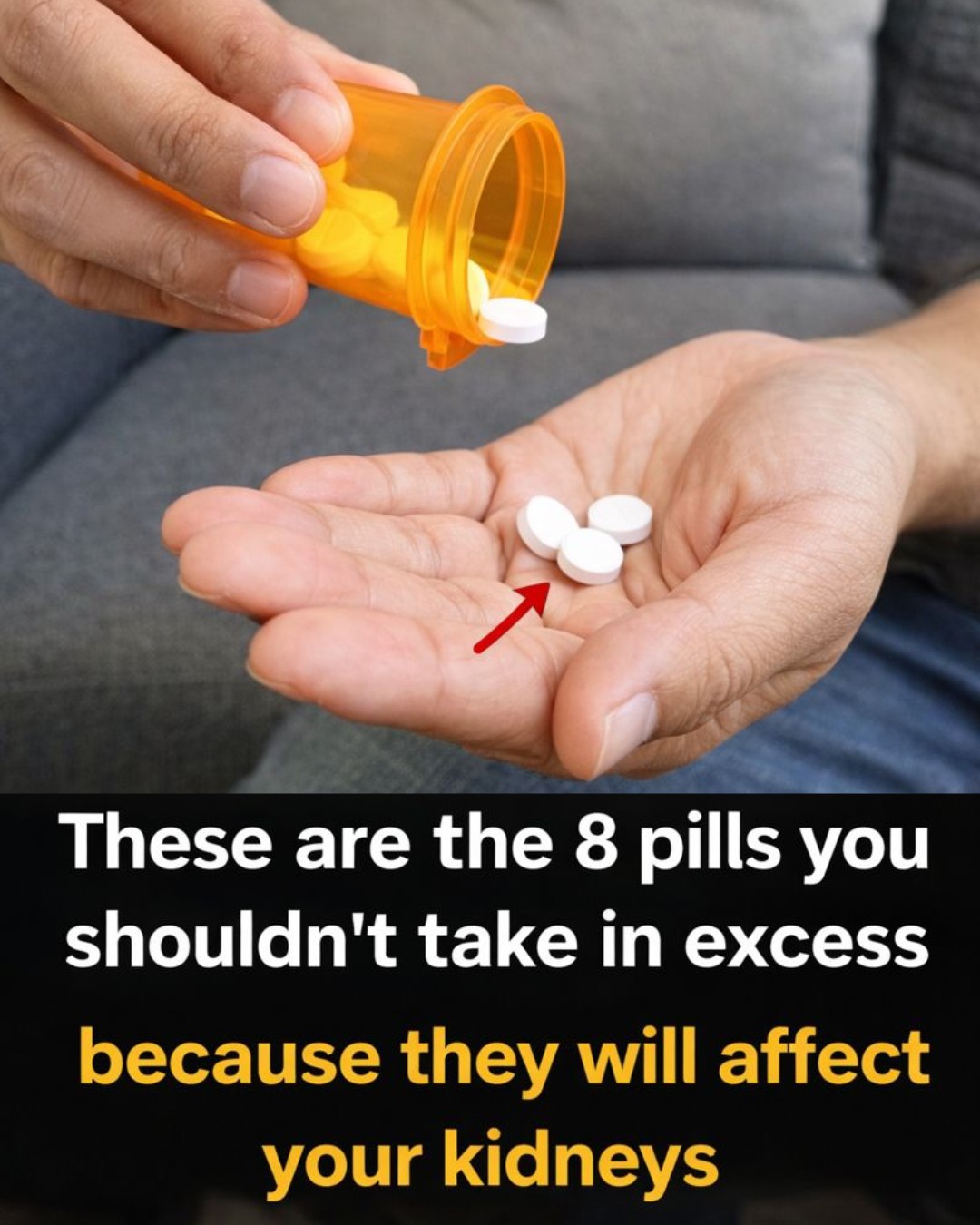
Here are eight widely used medications or classes that research associates with potential kidney effects. These are drawn from sources like the National Kidney Foundation and peer-reviewed studies.
1. NSAIDs (e.g., Ibuprofen, Naproxen, High-Dose Aspirin)

These popular pain relievers reduce inflammation by blocking prostaglandins, which help maintain kidney blood flow. When prostaglandins drop, blood vessels can narrow, reducing filtration—especially during dehydration or with long-term use.
Research links NSAIDs to higher risks of acute kidney injury, particularly in older adults or those with pre-existing conditions. Short-term, occasional use is often fine for many, but regular or high-dose habits warrant caution.
2. Proton Pump Inhibitors (PPIs) (e.g., Omeprazole, Esomeprazole, Lansoprazole)

Commonly taken for heartburn or acid reflux, PPIs reduce stomach acid effectively. Long-term use (months to years) has been associated in studies with increased risks of acute kidney injury and chronic kidney disease progression, possibly through interstitial nephritis or other mechanisms.
Many people start them for convenience, but evidence suggests shorter courses or alternatives may lower potential concerns.
3. Certain Antibiotics (e.g., Aminoglycosides like Gentamicin, Vancomycin)
These fight serious bacterial infections but can accumulate in kidney tissues, causing direct tubular damage. Vancomycin and aminoglycosides often require monitoring in hospitals due to this risk.
For common infections, doctors typically choose less risky options when possible.
4. ACE Inhibitors and ARBs (e.g., Lisinopril, Losartan)
These blood pressure medications relax vessels and protect the heart and kidneys in many cases. However, in some situations—like dehydration or significant artery narrowing—they can temporarily reduce filtration rate, leading to elevated creatinine levels.
Regular monitoring helps most people use them safely.
5. Contrast Dyes Used in Imaging Scans (e.g., CT or Angiography Contrast)
Injected dyes help highlight structures in scans but can cause direct toxicity or vasoconstriction in the kidneys, especially in those with reduced function or dehydration.
Hydration before and after procedures often mitigates this risk.
6. Diuretics (e.g., Furosemide, Hydrochlorothiazide)
Known as “water pills,” these remove excess fluid for swelling or high blood pressure. Overuse or use without enough fluids can lead to dehydration, straining kidney function.
Balancing intake and monitoring helps avoid issues.
7. Certain Antivirals and Chemotherapy Agents
Medications like some used for viral infections or cancer treatment (e.g., cisplatin, certain high-dose antivirals) carry higher toxicity risks due to direct effects on kidney cells.
These are typically managed closely by specialists.
8. Lithium (Used for Mood Stabilization)

Long-term use requires regular kidney function checks, as it can affect urine concentration and lead to gradual changes over years.
Monitoring is standard for those who need it.
- Quick Comparison Table: Medication Risks and Safer Considerations
| Medication Class | Potential Kidney Concern | Risk Level (General) | Common Safer Approach |
|---|---|---|---|
| NSAIDs | Reduced blood flow, AKI risk | Higher with long-term use | Limit use; consider acetaminophen short-term |
| PPIs | Possible interstitial nephritis, CKD link | Moderate long-term | Short courses; H2 blockers as alternative |
| Certain Antibiotics | Tubular toxicity | Varies by type | Dose adjustments, monitoring |
| ACE Inhibitors/ARBs | Temporary GFR drop in some cases | Manageable with checks | Regular lab tests |
| Contrast Dyes | Direct toxicity | Procedure-specific | Pre-hydration |
| Diuretics | Dehydration-related strain | With overuse | Stay hydrated, monitor electrolytes |
Why Self-Medicating Can Amplify the Risks
Grabbing pills without oversight skips important factors like interactions, proper dosing, or underlying conditions. For example, combining NSAIDs with diuretics and blood pressure meds (the “triple whammy”) can significantly raise acute kidney injury odds in vulnerable people.
Practical Steps to Protect Your Kidneys
Take charge with these actionable tips: