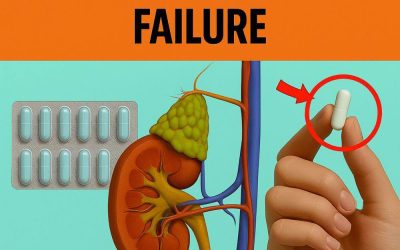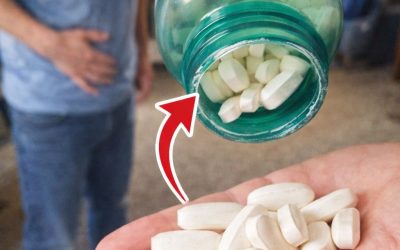
- Review your medications — List everything (OTC and prescription) and discuss with your doctor or pharmacist at least once a year.
- Stay hydrated — Aim for adequate fluids daily, especially if taking any of the above.
- Monitor symptoms — Watch for unexplained fatigue, swelling in legs/ankles, reduced urine output, or foamy urine—report them promptly.
- Choose wisely for pain or heartburn — For occasional needs, ask about shorter-acting or lower-risk options.
- Get regular checks — Blood tests for kidney function (eGFR, creatinine) provide early insights.
Start small: Pick one step this week, like scheduling a medication review.
Conclusion: Small Changes, Big Protection
Your kidneys work tirelessly behind the scenes—giving them thoughtful support through informed choices can help maintain their function for years. By understanding these common medications and prioritizing professional guidance over guesswork, you’re taking a proactive step toward better health.
You’re already ahead by reading this—keep that momentum.
Frequently Asked Questions
What are early signs of kidney strain from medications?
Common indicators include unusual tiredness, swelling in the extremities, changes in urination, or nausea. These warrant a prompt check with your healthcare provider.
Can I ever safely take NSAIDs or PPIs?
Many people use them short-term without issues. The key is duration, dose, and individual factors—always confirm with a professional.